
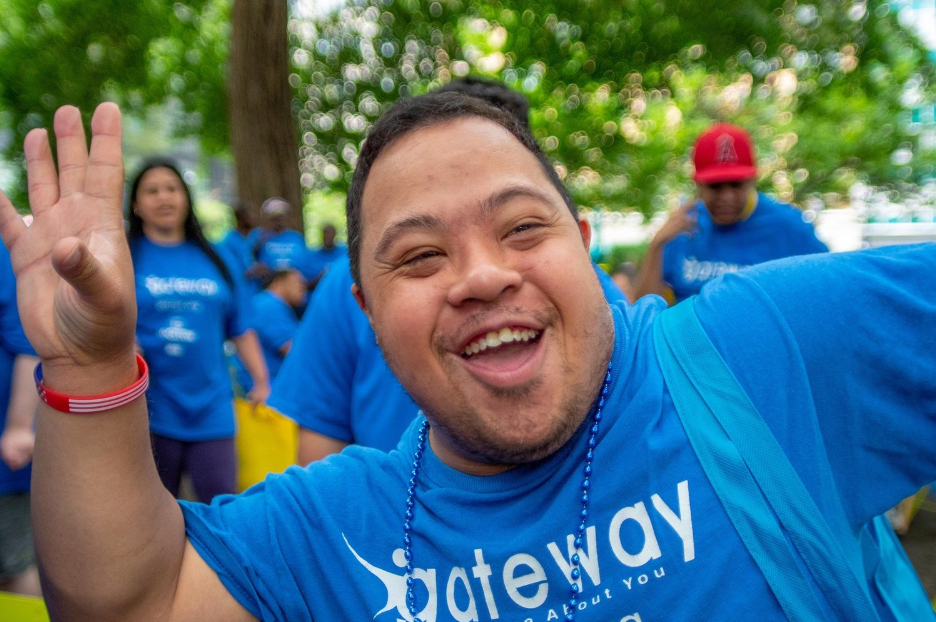
Demand for adult disability services in New York City continues to climb, and with it, more families are encountering a system that even experienced professionals describe as difficult to navigate. Gateway Counseling Center, a Bronx-based nonprofit that has delivered OPWDD services for adults for over 30 years, is using the moment to reaffirm what it offers families trying to make sense of where to turn.
The challenge isn’t a shortage of information. New York’s Office for People with Developmental Disabilities publishes extensive guidance on eligibility, services, and provider standards. The challenge is that the system is large, the terminology is dense, and most families encounter it for the first time during a stressful transition — a young adult aging out of school services, a parent no longer able to provide the level of support they once did, or a sudden change in a family member’s needs.
Gateway says this is precisely where it sees its role: not just as a service provider, but as a point of orientation for families who don’t yet know what questions to ask.
Table of Contents
ToggleA Full Continuum of Certified OPWDD Services
Gateway holds certification from both the New York State Office for People with Developmental Disabilities and the Office of Mental Health, allowing it to deliver a broad range of OPWDD services for adults under a single organizational umbrella. This includes:
- Group Day Habilitation, structured daytime programming delivered at Gateway facilities.
- Group Day Habilitation Without Walls, community-based programming for individuals working toward greater independence.
- Supplemental Group Day Habilitation, evening and weekend recreational programming.
- Community Habilitation, one-on-one support delivered at home and in the community.
- Family Support, services and funding support for families caring for a member with a developmental disability.
This range matters for a specific reason: families coordinating multiple services across different providers face real administrative burden — separate intake processes, separate staff relationships, separate scheduling. Gateway’s model allows a single Life Plan to draw on multiple service types without requiring families to manage that coordination themselves.
Why the Agency Behind the System Matters
Understanding how the Office for People with Developmental Disabilities functions is foundational to accessing any of this. OPWDD is the state agency responsible for determining eligibility, funding services, and certifying providers across New York. Every service Gateway delivers exists within that regulatory structure — which means certification isn’t a marketing term, it’s a baseline of accountability that families can verify independently.
Gateway notes that one of the most common points of confusion for new families is the relationship between OPWDD itself and the providers, like Gateway, that actually deliver services. OPWDD determines eligibility and authorizes services through a Care Manager and Life Plan; certified providers then deliver those specific services. Families sometimes assume they need to manage this distinction alone — finding a Care Manager, then separately searching for providers, then coordinating between the two without guidance.
In practice, established providers routinely help bridge that gap. Gateway’s intake team regularly works directly with Care Managers on behalf of families, helping translate Life Plan goals into specific program placements without requiring the family to manage every administrative step themselves.
Three Decades of Operating Inside the System
Gateway’s 30-year history matters here in a specific way: it means the organization has operated under multiple iterations of OPWDD policy, funding structures, and certification requirements, and has maintained continuous certification throughout. For families evaluating providers, that kind of longevity is one of the more reliable signals of operational stability in a sector where smaller providers can struggle to sustain certification and staffing over time.
“Families don’t need to become experts in how state disability services work,” said a Gateway Counseling Center spokesperson. “They need a provider who already is, and who treats explaining the process as part of the job — not an inconvenience.”
Practical Barriers, Practically Addressed
Beyond program structure, Gateway has built in supports that address common reasons families disengage from services even after enrollment: free transportation to and from day programs, and free meals throughout the program day. These aren’t peripheral details. Transportation and food costs are frequently cited as reasons families reduce participation in programs they’d otherwise continue, and removing them tends to improve consistency significantly.
A Resource Beyond Current Participants
Gateway emphasizes that its intake team fields inquiries regularly from families who aren’t yet OPWDD-enrolled and aren’t sure where to begin. The organization treats these conversations as a service in their own right — explaining the eligibility process, what a Life Plan involves, and what OPWDD services for adults might be relevant once enrollment is complete.
Families seeking to understand their options, whether already enrolled with an office for people with developmental disabilities or just beginning to explore the system, can contact Gateway Counseling Center at [email protected] or (718) 885-4986. Free 30-minute tours are available at all program locations.
About Gateway Counseling Center
Gateway Counseling Center is a New York City-based nonprofit organization providing OPWDD- and OMH-certified programs for adults with developmental disabilities and mental illness. Founded over 30 years ago, Gateway serves adults across the five boroughs through individualized day programming, community-based support, and family services.