
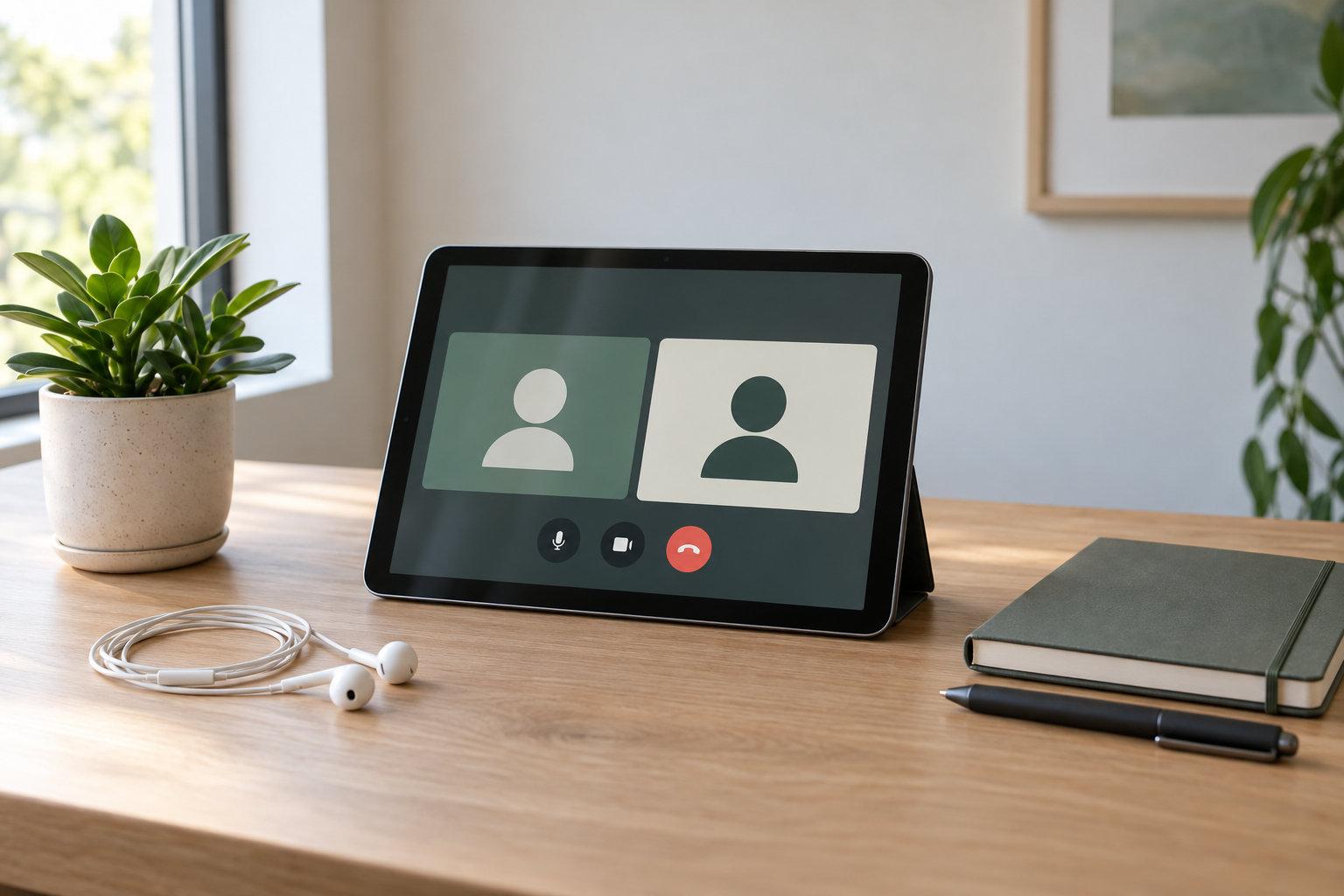
Virtual therapy and counseling are expanding access to mental health care, providing new pathways for individuals seeking effective support and recovery through evidence-based treatment options.
Access to mental health and behavioral health services can be difficult for many due to barriers such as distance, limited time, or healthcare provider shortages. Digital counseling is making it easier to connect with professional support, offering flexibility that complements, but does not replace, traditional in-person care. For individuals exploring treatment for conditions like anxiety, depression, or trauma, options such as online PTSD therapy and treatment can provide access to focused support. It is important to understand what digital care can offer and where in-person involvement might be necessary for optimal recovery and well-being.
Table of Contents
ToggleWhat digital counseling involves
Digital counseling includes live video therapy, telephone sessions, secure messaging, and digital apps with guided mental health exercises. Many platforms also feature integrated tools such as mood tracking, digital homework, and meditation resources to enhance the experience between sessions.
Typically, care is provided by licensed professionals including therapists, psychologists, and clinical social workers. Some platforms may offer general support from mental health coaches, but clinical care should only be conducted by credentialed providers. Verifying credentials and understanding the scope of each provider’s service ensures that therapy is safe and effective.
Who benefits most from digital access
Online counseling is especially helpful for those who have limited local access to care, such as residents of rural areas or those with mobility challenges or transportation barriers. Additionally, digital sessions accommodate individuals with busy or unpredictable schedules, or those who require a high degree of privacy and discretion. Virtual sessions held from a personal, comfortable space may encourage greater participation, particularly for those hesitant to seek care in person.
Assessing clinical fit and setting expectations
Remote counseling supports a range of behavioral health concerns, including anxiety, depression, stress, adjustment issues, and PTSD. As with in-person therapy, effective digital treatment includes regular participation and a structured treatment plan with measurable objectives. While technology allows progress to be tracked and facilitates communication, outcomes still depend heavily on client engagement and honest dialogue.
Not all situations can be managed remotely. Individuals with complex, severe, or high-risk needs may require access to in-person support, especially when crisis intervention, medical assessment, or closely coordinated care is needed. Ongoing assessment with your care provider is key to determining if telehealth continues to meet your needs, or if a different level of care should be pursued.
Safety, risk, and higher levels of care
Online mental health providers routinely assess for safety risks, including suicidal thoughts or crisis warning signs. Many require safety planning during the intake process. However, digital counseling has limitations, and immediate emergencies, such as active suicidal ideation or medical crises, should always be directed to local emergency services or in-person professionals. Collaboration with mental health professionals can help guide decisions about when to seek more comprehensive or intensive levels of care.
Privacy, technology, and practical considerations
Protecting your privacy is fundamental in digital counseling. Reputable platforms employ encryption and comply with health privacy regulations as applicable. Before beginning, ask providers how data is stored and transmitted and review their privacy policies. Successful virtual care usually requires a stable internet connection, a device with video and audio capability, and a private space to ensure confidentiality during sessions.
Choosing a digital counseling service responsibly
Choose a service that employs licensed and experienced providers matched to your specific mental health needs, whether that is therapy, counseling, or medication management. Understand the structure regarding session length, provider consistency, and continuity of care. Reviewing upfront costs and insurance coverage can help avoid unexpected financial issues.
Renew Health is a leading treatment center for mental health, behavioral health and addiction in New Mexico. Renew Health is a leading addiction rehab for drug and alcohol treatment in New Mexico.
Digital counseling within a broader landscape
Digital counseling broadens access to evidence-based treatment for mental and behavioral health, offering an additional avenue to recovery for those otherwise unable to obtain care in person. When integrated with comprehensive services such as individual therapy, group counseling, and medication management, virtual platforms can support a wide variety of needs. Finding the right blend of digital and in-person resources empowers individuals to pursue their recovery goals and improve their overall quality of life.