
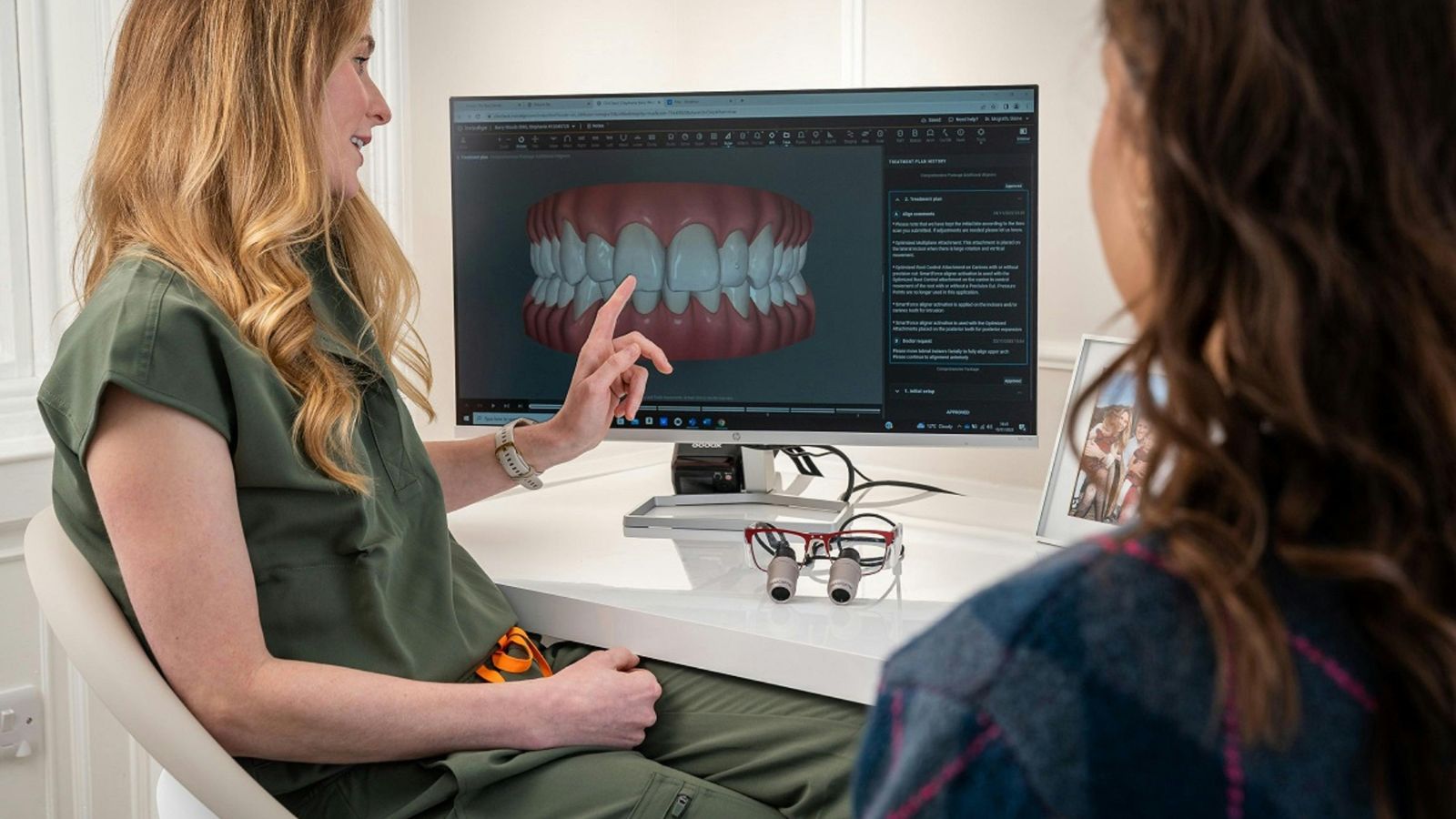
You can usually postpone dental implants until after pregnancy, but you can start planning and getting preparatory care now so you won’t delay treatment later. Most clinicians recommend avoiding elective implant surgery during pregnancy because of anesthesia, medications, and imaging concerns, while supporting routine cleanings and necessary urgent care.
If you’re in your 30s and thinking about pregnancy, this guide will walk you through what implants involve, when it’s safest to move forward, and practical alternatives and precautions to protect your oral health and your pregnancy.
You’ll learn how to prepare your jaw and gums ahead of time and how dentists coordinate care with your obstetrician so timing supports both your dental goals and your baby’s safety, especially if you are researching all on X dental implants in Anna TX.
Table of Contents
ToggleUnderstanding Dental Implants and Their Suitability During Pregnancy
Dental implants replace missing tooth roots with titanium posts topped by a crown, and pregnancy changes your oral tissues, immune response, and medication options. These factors influence timing, risk, and the types of dental care that are safest for you and your baby.
What Are Dental Implants?
Dental implants are small titanium posts surgically placed into the jawbone to act as artificial tooth roots. After osseointegration—when bone fuses to the implant—a custom abutment and crown restore function and appearance.
Implants require a surgical procedure under local anesthesia, possible sedation, and follow-up visits for impressions and adjustments. You need adequate jawbone volume and healthy gums for long-term success; bone grafts or periodontal treatment may be required before placement.
Implants are considered a long-term solution rather than an emergency fix, so timing and preoperative health matter. If you’re planning pregnancy or already pregnant, coordinate implant planning with your dental and medical providers.
How Pregnancy Affects Oral Health
Pregnancy increases blood volume and hormone levels, which can make gums more susceptible to inflammation and bleeding. Gingivitis and pregnancy-associated pyogenic granulomas (pregnancy tumors) become more common, and untreated gum disease may complicate future implant outcomes.
Your immune response changes during pregnancy, which can alter how your mouth responds to infection and healing. Morning sickness and dietary shifts can raise decay risk, and cravings for sugary foods may worsen oral health.
Maintaining excellent oral hygiene, attending cleanings, and treating active infections promptly lowers complication risk for future implant surgery after delivery.
Risks of Dental Procedures in Pregnancy
Major surgical procedures like implant placement carry risks related to anesthesia, medications, and diagnostic imaging. Sedation beyond local anesthesia and elective general anesthesia are generally avoided during pregnancy unless medically necessary.
X-rays expose you to low levels of radiation; while dental radiographs with shielding are often safe in pregnancy, practitioners typically limit imaging to urgent needs. Antibiotics and pain medications commonly used around implant surgery may be contraindicated or require safer alternatives during pregnancy.
Because of these factors, most oral surgeons recommend postponing elective implants until after delivery and recovery, unless an urgent dental issue threatens your health.
Timing Dental Implants for Women Planning Pregnancy
Plan implant timing around pregnancy goals, medication safety, and healing time. Coordinate with your obstetrician and dental surgeon so you choose dates that minimize risks and preserve options for conception and prenatal care.
Evaluating the Best Time for Dental Implants
If you plan to conceive within 6–12 months, delay elective implant surgery until after delivery when possible. Implant placement requires at least several months for osseointegration (often 3–6 months) before final restorations, and that healing window can overlap with pregnancy demands and prenatal appointments.
If you must proceed before attempting pregnancy, schedule surgery well before trying to conceive to complete the surgical and restorative phases. That reduces the chance you’ll need imaging, antibiotics, or additional procedures during pregnancy. Always confirm anesthesia and post-op medication plans with both clinicians.
Potential Effects on Fertility and Conception
Dental implants themselves do not reduce fertility or impair conception. The main concerns involve medications and procedures around the implant: certain antibiotics, analgesics, or stress from complications could influence early attempts at conception.
Avoid elective implants while actively trying to conceive if your surgeon plans to use medications you cannot safely take during early pregnancy. Discuss alternative antibiotics or pain control. If complications arise (infection, implant failure), treat promptly—untreated oral infections pose greater risks to systemic health and pregnancy than the implant procedure.
Pre-Implant Health Assessments
You need a medical clearance that includes current medications, chronic conditions, and pregnancy plans. Provide your dentist with your OB/GYN’s contact information so both can coordinate on vaccines, antibiotics, and timing.
Expect a dental exam, full-mouth imaging (prefer panoramic or CBCT when clinically necessary), and checks for active infections or gum disease. If you smoke or have uncontrolled diabetes, address these first—both impair healing and can increase implant failure risk. Get baseline labs when indicated (e.g., HbA1c) and confirm that any required medications are pregnancy-safe before proceeding.
Alternatives and Precautions for Expectant and Future Mothers
You can protect your oral health now and plan safely for implants later by using temporary tooth-replacement options, delaying elective surgery, and following specific pregnancy-safe precautions and habits. Focus on controlling infection, avoiding elective anesthesia and surgery, and maintaining gum and bone health until postpartum.
Non-Surgical Options for Missing Teeth
If you need a tooth replaced during pregnancy, consider removable partial dentures or a temporary resin-bonded (Maryland) bridge. Both avoid surgery and general anesthesia; a partial denture clips onto adjacent teeth and a bonded bridge uses adhesive to attach a false tooth to neighboring enamel.
These options preserve appearance and chewing function while minimizing risk. Discuss materials with your dentist to avoid nonessential medications or long chair time.
Avoid dental X-rays unless absolutely necessary; if imaging is required, insist on lead shielding and limit exposure. Manage any active infection with pregnancy-safe antibiotics (amoxicillin is commonly used) and local measures to control inflammation. Keep records of any temporary work so definitive implant planning can proceed smoothly after delivery.
Postponing Implants Until After Pregnancy
Elective implant placement is generally postponed until after pregnancy because implant surgery involves local anesthesia, possible sedation, antibiotics, and months of healing. Waiting allows your hormone levels, bone metabolism, and immune function to return toward baseline, which improves osseointegration and reduces complications.
Plan implant consultation and imaging (CBCT, implant planning) for the postpartum period. If you need preparatory care—like extracting a nonrestorable tooth or controlling periodontal disease—ask your dentist and obstetrician about timing so urgent care is provided safely.
If breastfeeding, many dentists prefer to delay sedatives or certain medications until you’ve discussed risks with your pediatrician and obstetrician. Keep detailed notes on proposed implant systems, bone graft needs, and expected timelines so you can restart planning promptly after recovery.
Lifestyle Recommendations for Oral Health
Prioritize twice-daily brushing with fluoride toothpaste and once-daily interdental cleaning (floss or interdental brushes) to reduce decay and gum disease risk. Hormonal changes increase gingivitis risk during pregnancy, so attend professional cleanings every trimester if recommended by your dentist.
Maintain a balanced diet with adequate calcium (1,000 mg/day for most adults) and vitamin D, and limit frequent sugary snacks and acidic beverages to protect enamel. Stay hydrated and manage morning sickness by rinsing with a teaspoon of baking soda in a cup of water after vomiting to neutralize acid; avoid vigorous brushing immediately after.
If you notice swelling, persistent bleeding, or tooth pain, seek care promptly to prevent spread of infection. Keep open communication between your dentist and obstetrician about any medications or procedures so both maternal and fetal safety guide decisions.