
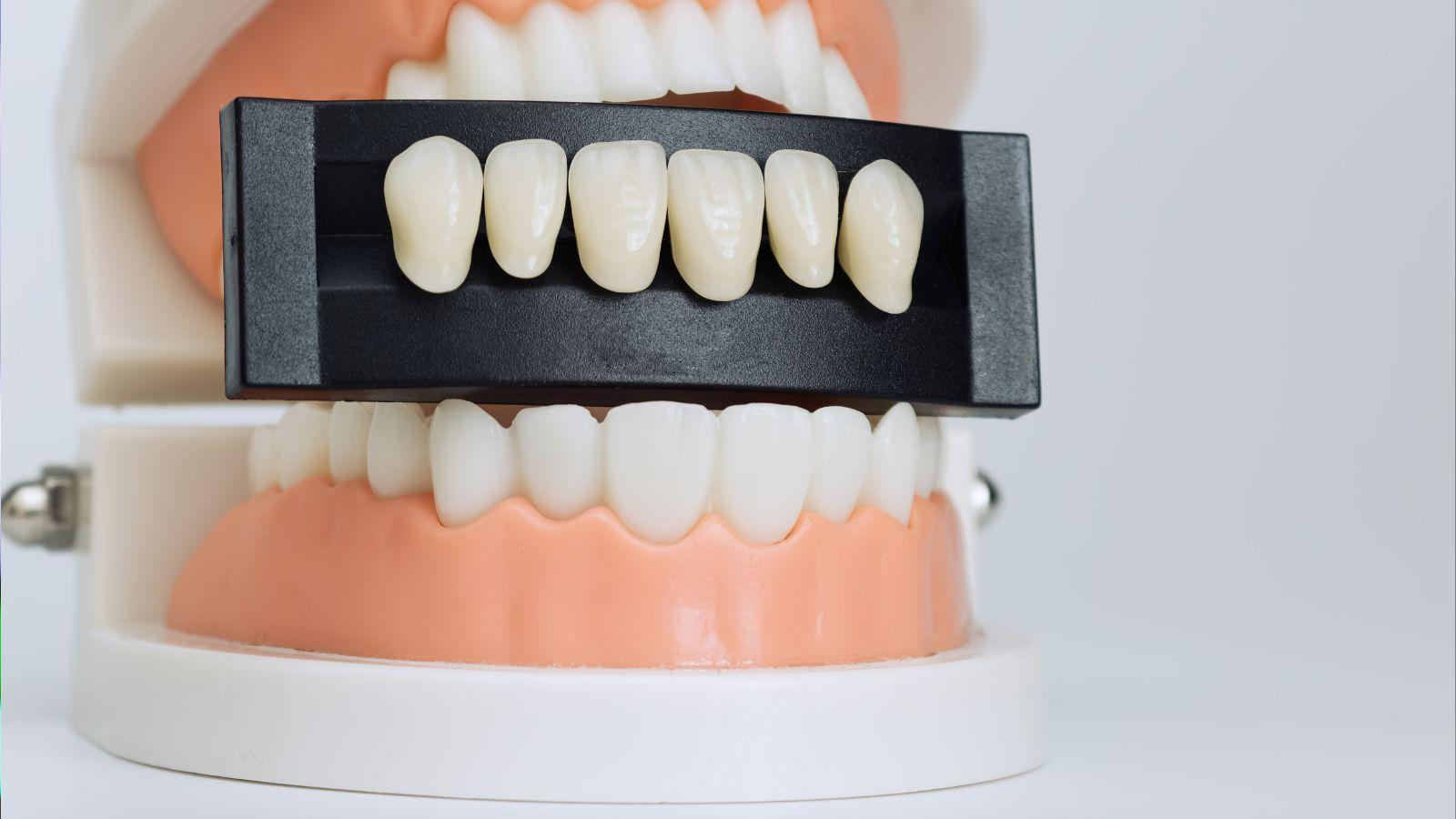
You can get veneers without wrecking your natural teeth if a skilled dentist does the work and you keep good oral care. Veneers require removing a small amount of enamel, but when placed correctly they can protect and improve your smile rather than ruin it — something the team at Dr. Implant Dentist in South Florida can walk you through before you commit to treatment.
You’ll learn how veneers bond to tooth surfaces, which issues raise the most risk, and what steps you can take to keep your natural teeth healthy after treatment. This article will help you weigh the real risks and practical steps so you can decide with confidence.
Table of Contents
ToggleHow Veneers Interact With Natural Tooth Structure
Veneers attach to the front surface of teeth after a small amount of enamel is removed. They bond with adhesive to create a sealed layer that changes appearance and can add strength, but the exact effects depend on preparation, bonding quality, and your oral care.
Enamel Preparation Process
Your dentist removes about 0.3–0.7 millimeters of enamel from each tooth that will get a veneer. This creates space so the veneer sits flush with adjacent teeth and avoids an overbulky look. The amount removed is usually only the outer enamel, leaving dentin and pulp untouched.
After shaping, your tooth gets a roughened surface and a cleaning step to improve bonding. The lab-made veneer then fits over that prepared surface and your dentist uses a resin cement to bond it. Because enamel does not regenerate, the change is permanent—if you later remove the veneer, the tooth will need another restoration.
Long-Term Effects on Tooth Integrity
When placed correctly, veneers can protect teeth by covering cracks, worn enamel, and large stains. Porcelain veneers resist stains and can make the biting surface more uniform, which may reduce certain stress points.
However, poor fit or weak bonding can let moisture or bacteria in, raising the risk of decay at the edges (marginal caries). If you clench, grind, or bite hard objects, veneers can chip or debond, and repeated problems may require more invasive treatments like crowns. Regular dental check-ups and good oral hygiene lower these risks.
Potential for Tooth Sensitivity
Temporary sensitivity after enamel removal and bonding is common. You may feel cold or hot more strongly for days to weeks. Dentists use desensitizing agents and gentle bonding techniques to reduce this.
Long-term sensitivity is less common but can occur if bonding fails or if decay develops under the veneer. If your enamel was thin before treatment, or if significant tooth structure was removed, sensitivity and a higher chance of needing root canal treatment exist. Tell your dentist about persistent sensitivity so they can check the bond and look for decay.
Risk Factors and Common Concerns
Veneers can protect front tooth surfaces but also change how you clean and how your bite feels. Pay attention to decay risk, gum response, and how long veneers last.
Possibility of Tooth Decay
Veneers cover only the front surface, so decay can still form at the edges where veneer meets tooth. If plaque builds up along that margin, bacteria can attack enamel or exposed dentin. Brush twice daily with fluoride toothpaste and floss carefully at the gumline to reduce this risk.
If your dentist removes enamel during prep, that area can be more vulnerable if the bond fails. Regular checkups let your dentist spot early decay and repair margins or replace a veneer before a large cavity develops. Avoid sticky, sugary foods if you have marginal gaps.
Gum Health and Veneers
Gums may react if veneers extend too far under the gumline or if margins are rough. You might notice redness, swelling, or bleeding after placement. Good margin fit and smooth polish reduce irritation and help gums stay healthy.
You should maintain daily plaque control and see your dentist or hygienist every 6 months. If you have gum disease before veneers, treat it first. Your dentist may need to reshape the gum or adjust veneer length to prevent chronic inflammation.
Chances of Veneer Failure
Veneers can chip, crack, or detach from the tooth for several reasons. Common causes include biting hard objects, teeth grinding (bruxism), poor bonding technique, or damaged underlying tooth structure. Porcelain veneers are strong but not indestructible.
You can lower failure risk by wearing a night guard if you grind, avoiding biting fingernails or ice, and choosing a qualified dentist. If a veneer fails, your dentist can usually repair or replace it, but repeated replacements may weaken the tooth over time. Regular reviews let your clinician catch bonding problems early.
Best Practices for Preserving Oral Health With Veneers
Keep your natural teeth healthy by checking tooth structure and gum health before veneers, keeping a strict daily care routine after placement, and choosing a skilled dentist who follows conservative techniques and good lab standards.
Pre-Placement Evaluation
You need a full dental exam and X-rays before getting veneers. Your dentist should check for cavities, gum disease, bite problems, and how much enamel must be removed. If decay or gum infection exists, treat those first.
Ask for diagnostic photos, a mock-up or temporary veneers, and a clear plan that shows how much tooth will be reshaped. If you grind your teeth, your dentist may recommend a nightguard or alternative treatments to avoid future damage to veneers and underlying teeth. Make sure you understand risks and alternatives like bonding or crowns.
Post-Placement Maintenance
Brush twice daily with a soft-bristled brush and non-abrasive fluoride toothpaste. Floss every day, paying attention to the gum line where veneers meet natural tooth. Use an interdental brush if gaps are tight.
Avoid biting hard objects (ice, pens, hard candy) and limit very sticky foods. If you clench or grind, wear a custom nightguard to reduce pressure. Schedule dental checkups and professional cleanings every six months or as your dentist advises. Report any sensitivity, looseness, or chipped edges right away.
Choosing a Qualified Dental Professional
Pick a dentist with specific veneer experience and good before-and-after photos you can review. Confirm they use high-quality labs and materials (porcelain or well-reviewed composite) and that they take conservative prep methods to preserve enamel.
Ask about their training, how they handle bonding and shade matching, and whether they provide temporaries and warranties. Read patient reviews and request a treatment plan with timelines, costs, and follow-up care. Choose someone who explains risks clearly and documents your informed consent.